Current WASH Projects
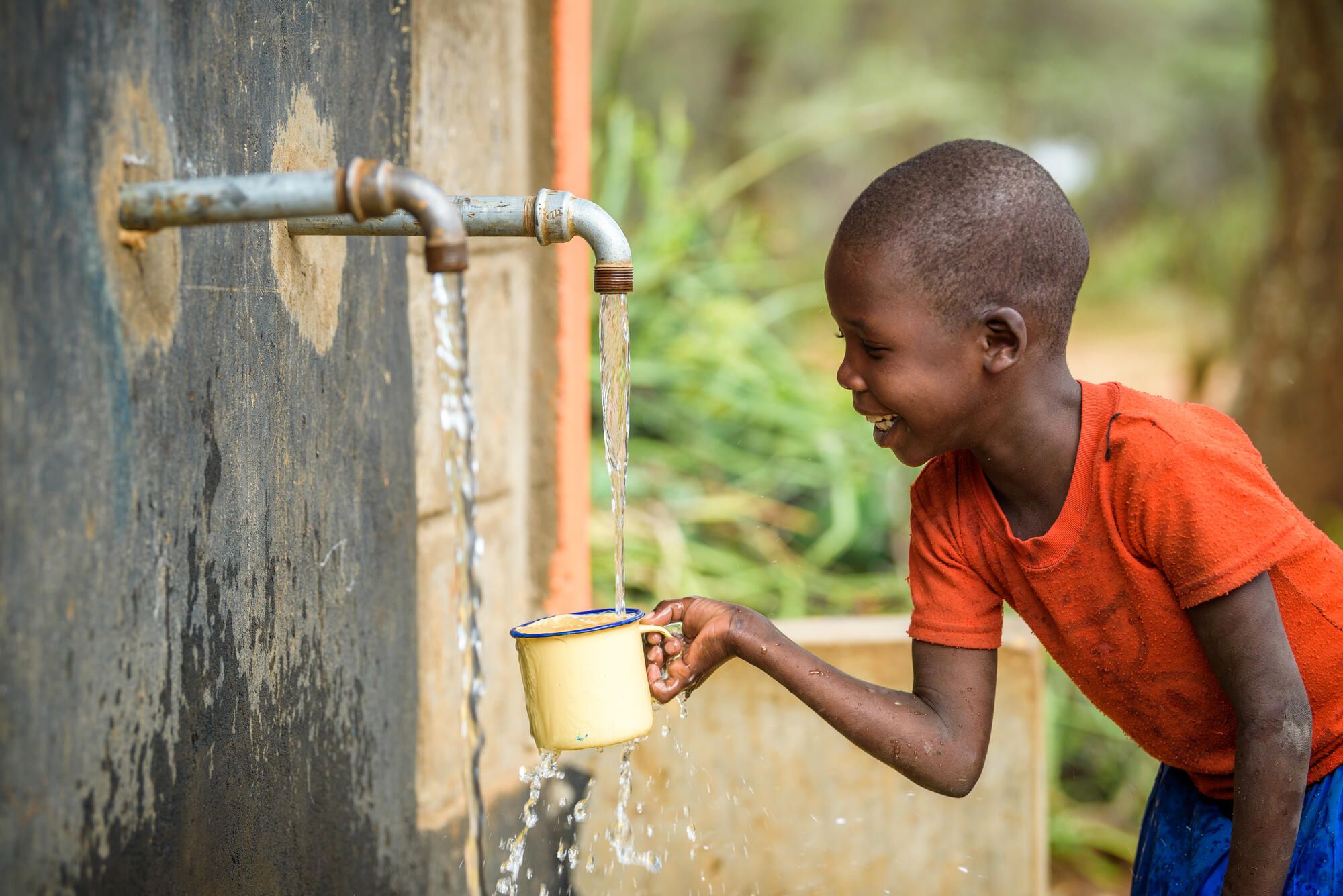
Integrated WASH Services in Rural Communities
Beneficiaries: Over 8,000 people in mountain villages
Locations: Nuwakot, Dhading, and Rasuwa districts
Program Components:
- Gravity-Fed Water Systems: Construction of sustainable water supply schemes utilizing mountain springs
- Community Tap Stands: Multiple water access points reducing collection time from hours to minutes
- Household Latrines: Building improved sanitation facilities in homes
- School WASH Facilities: Separate toilets for boys and girls with handwashing stations
- Water Quality Monitoring: Regular testing and chlorination systems
- Hygiene Education: Community health workers conducting behavior change campaigns
- Menstrual Hygiene Management: Education and supplies for adolescent girls
- Water Committee Training: Local capacity building for operation and maintenance
Impact: Families save 2-4 hours daily previously spent fetching water. Waterborne disease rates dropped by 65%. Girls' school attendance increased by 40% after installation of proper sanitation facilities. Communities report improved health, productivity, and quality of life.
Rural Sanitation and Hygiene Promotion
Beneficiaries: 5,500 households in 45 villages
Program Components:
- Pour-flush latrine construction with locally-available materials
- Community-Led Total Sanitation (CLTS) approach triggering behavior change
- Household water filters and safe storage containers
- School hygiene clubs promoting handwashing with soap
- Village Health Support Groups leading hygiene education
- Waste management systems for solid waste disposal
Impact: 78% of target villages achieved "Open Defecation Free" status. Diarrheal disease incidence reduced by 58%. Community members trained as masons now earn income building latrines.
Arsenic-Safe Water Supply Program
Beneficiaries: 12,000 people in arsenic-affected areas
Program Components:
- Deep tube well installation accessing arsenic-free aquifers
- Arsenic testing of existing water sources
- Community awareness about arsenic contamination risks
- Rainwater harvesting systems as alternative water source
- Water quality monitoring and maintenance training
Impact: Providing safe drinking water to communities suffering from arsenic poisoning, preventing chronic health conditions and improving long-term community health outcomes.
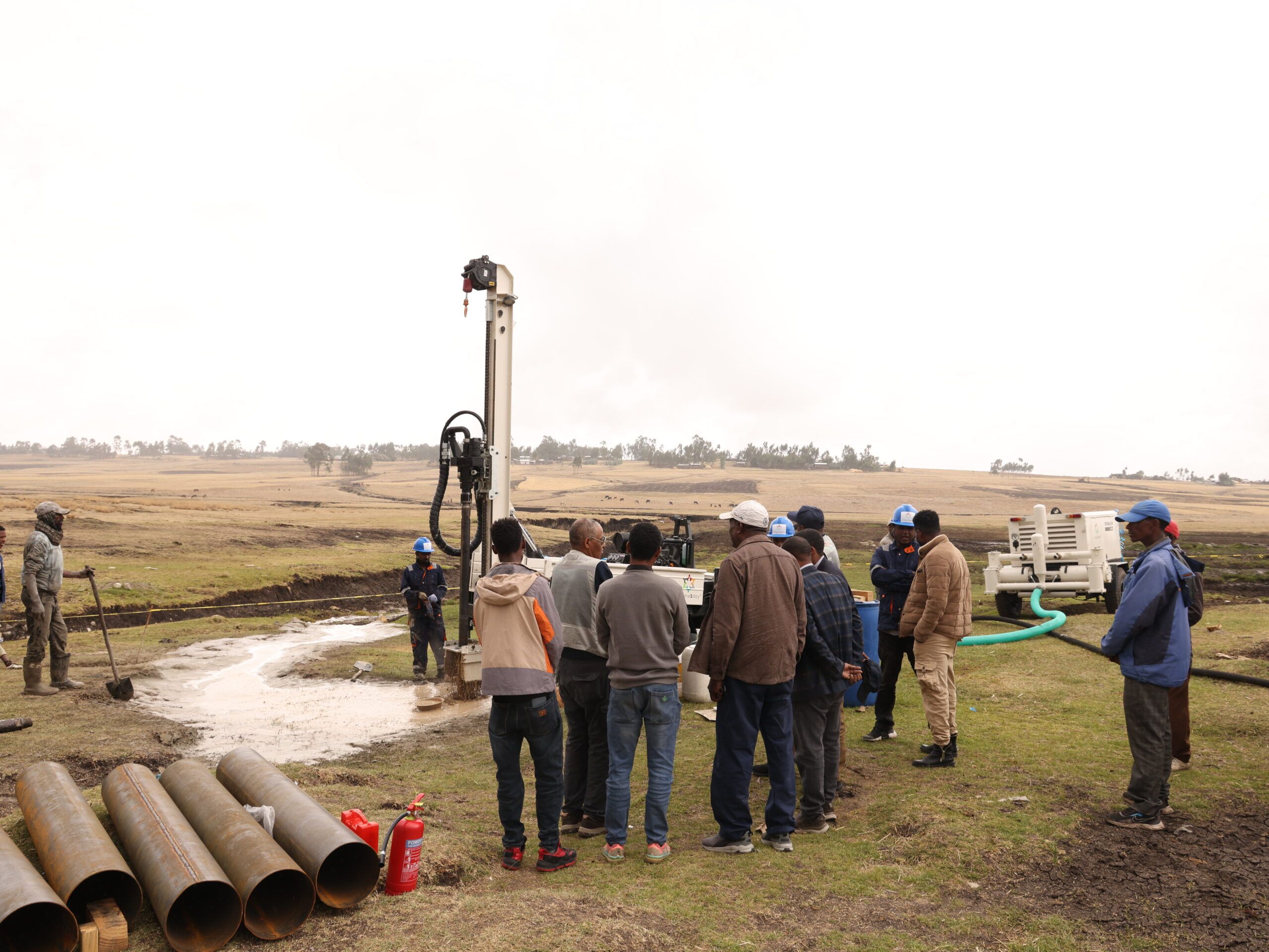
Deep Water Well Drilling & Irrigation
Beneficiaries: Over 15,000 people in drought-prone regions
Locations: Oromia, Amhara, and SNNPR regions
Program Components:
- Deep Borehole Drilling: Accessing underground water sources in arid areas
- Hand Pump Installation: Sustainable, community-managed water access points
- Irrigation Systems: Supporting drought-resistant agriculture and food security
- Water Committee Training: Building local capacity for water system management
- Community Sanitation: Latrine construction and hygiene education
- Spring Protection: Protecting and developing natural water sources
Impact: Deep wells provide reliable year-round water access in drought-prone areas. Reduced waterborne diseases by 60%. Women save 3-5 hours daily previously spent fetching water. Irrigation systems enable diversified farming and improved food security.
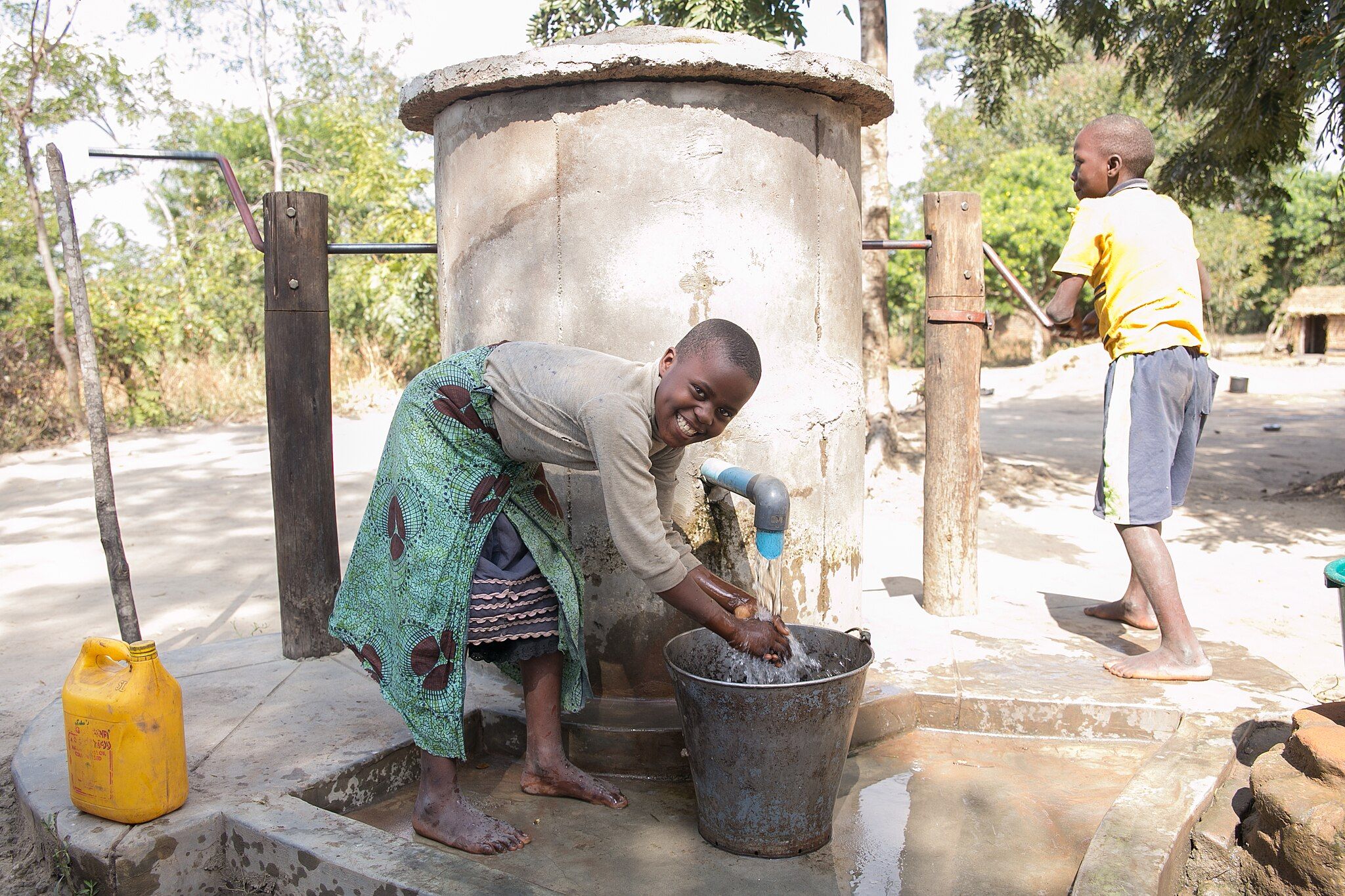
Rural Borehole & Sanitation Program
Beneficiaries: Over 9,500 people in southern Malawi
Program Components:
- Borehole Construction: 30-40 deep boreholes drilled in underserved villages
- Elephant Pump Installation: Reliable, locally-maintainable water pumping technology
- Community Latrines: VIP latrines for households and schools
- Hygiene Promotion: Village health committees leading behavior change
- Water Testing: Regular quality monitoring and maintenance support
- Smallholder Farming Support: Agricultural training and water for irrigation
Impact: Clean water access dramatically reduces cholera and diarrheal diseases. School attendance improves as children no longer miss class to fetch water. Agricultural productivity increases with reliable water for crops and livestock.